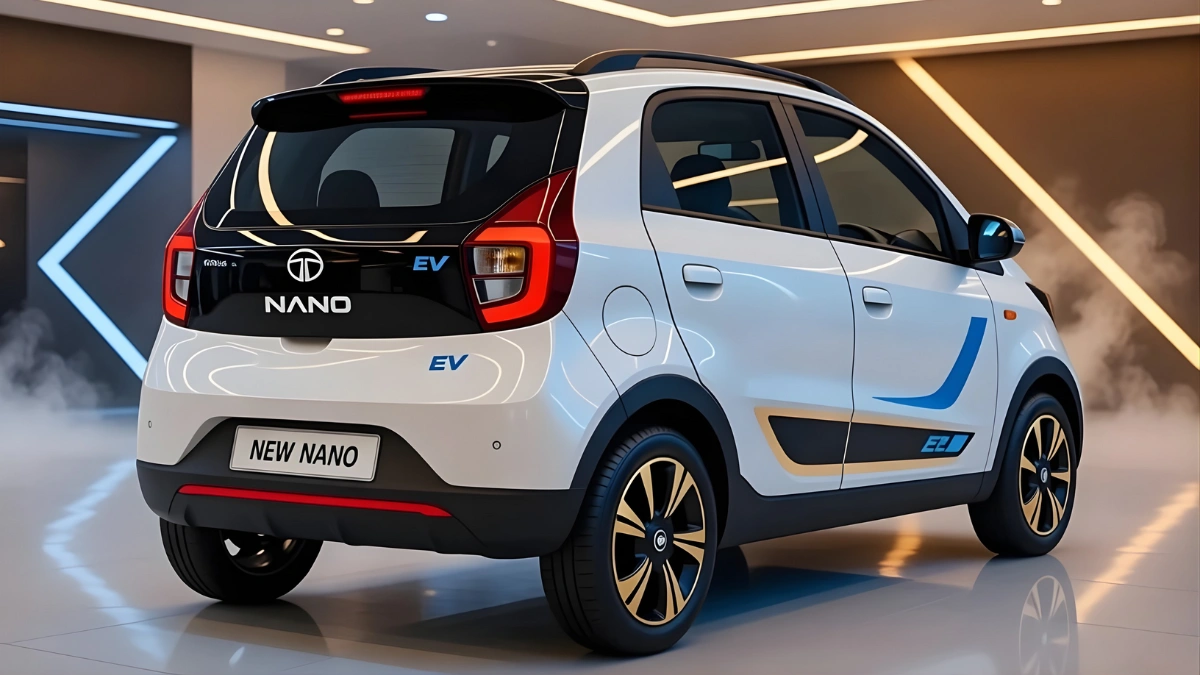
From City Streets to Highways: The Tata Nano EV 2026 has caught attention as India’s most affordable electric car, targeting city commuters and budget-conscious buyers. With a compact footprint, efficient electric powertrain, and a low price tag, it promises accessibility to clean mobility. But beyond affordability, it’s important to evaluate whether it delivers performance, comfort, and reliability for real-world use.
Design and Urban-Friendly Dimensions
From City Streets to Highways- The Nano EV retains its compact, city-friendly silhouette, making it perfect for narrow lanes, tight parking, and heavy traffic. While minimalistic in design, it has subtle modern touches like LED lighting, a small digital cluster, and aerodynamic enhancements. Its tiny size is ideal for urban mobility but may compromise interior space for taller passengers.

Electric Powertrain and Performance
Powered by a small electric motor, the Nano EV offers sufficient torque for city driving and stop-and-go traffic. Acceleration is smooth, and its lightweight design ensures energy efficiency. However, it is designed primarily for urban commutes, so highway performance is modest and range may require careful planning for longer trips.
Interior Comfort and Features
Inside, the Nano EV features a minimal yet functional cabin, with basic infotainment, climate control, and practical seating for four passengers. The focus is on efficiency and usability rather than luxury. Smart storage solutions and a simplified dashboard make it an easy-to-use vehicle for daily city drives.

Tata Nano EV 2026 Overview
| Aspect | Details |
|---|---|
| Vehicle Type | Compact Electric Car |
| Motor | Single Electric Motor |
| Range | Approx. 150–180 km per charge |
| Charging | Home & Fast Charging Options |
| Key Features | Compact design, Digital Cluster, Efficient EV Powertrain |
| Use Case | City commuting, Short trips, Budget-friendly EV |
This table highlights the core specifications and positioning of the Tata Nano EV 2026.
Range, Efficiency, and Real-World Use
The Nano EV delivers practical range for daily urban commuting. Its small battery and efficient motor make it cheap to run and easy to charge at home. For city trips under 100 km daily, it offers hassle-free mobility. Highway travel is possible, but longer trips require careful planning due to limited range.

Price and Value Proposition
The Tata Nano EV 2026 is positioned as the most affordable EV in India, offering a clean mobility option at a fraction of the cost of larger electric cars. Government incentives and low running costs further enhance its value, making it a strong contender for first-time EV buyers.
Conclusion
The Tata Nano EV 2026 is a practical, affordable, and efficient urban EV. While it cannot compete with larger electric cars in terms of luxury or highway performance, it excels in city driving, low running costs, and accessibility. For budget-conscious buyers seeking their first EV, the Nano EV is definitely worth considering.

Disclaimer: This article is for informational purposes only. Specifications, features, range, pricing, and availability may vary based on official Tata announcements and regional markets.